

Benefits of Herbal Hair Oils for Natural Shine
- SWANANDI AROMAS

- Feb 7
- 4 min read
Updated: Mar 15
In a world where hair care products are often laden with chemicals, the allure of natural remedies has never been stronger. Herbal hair oils have emerged as a popular choice for those seeking to enhance their hair's natural shine and health. These oils, derived from various plants and herbs, offer a plethora of benefits that go beyond mere aesthetics. In this post, we will explore the numerous advantages of using herbal hair oils, how they work, and some popular options you can consider for your hair care routine.
Understanding Herbal Hair Oils
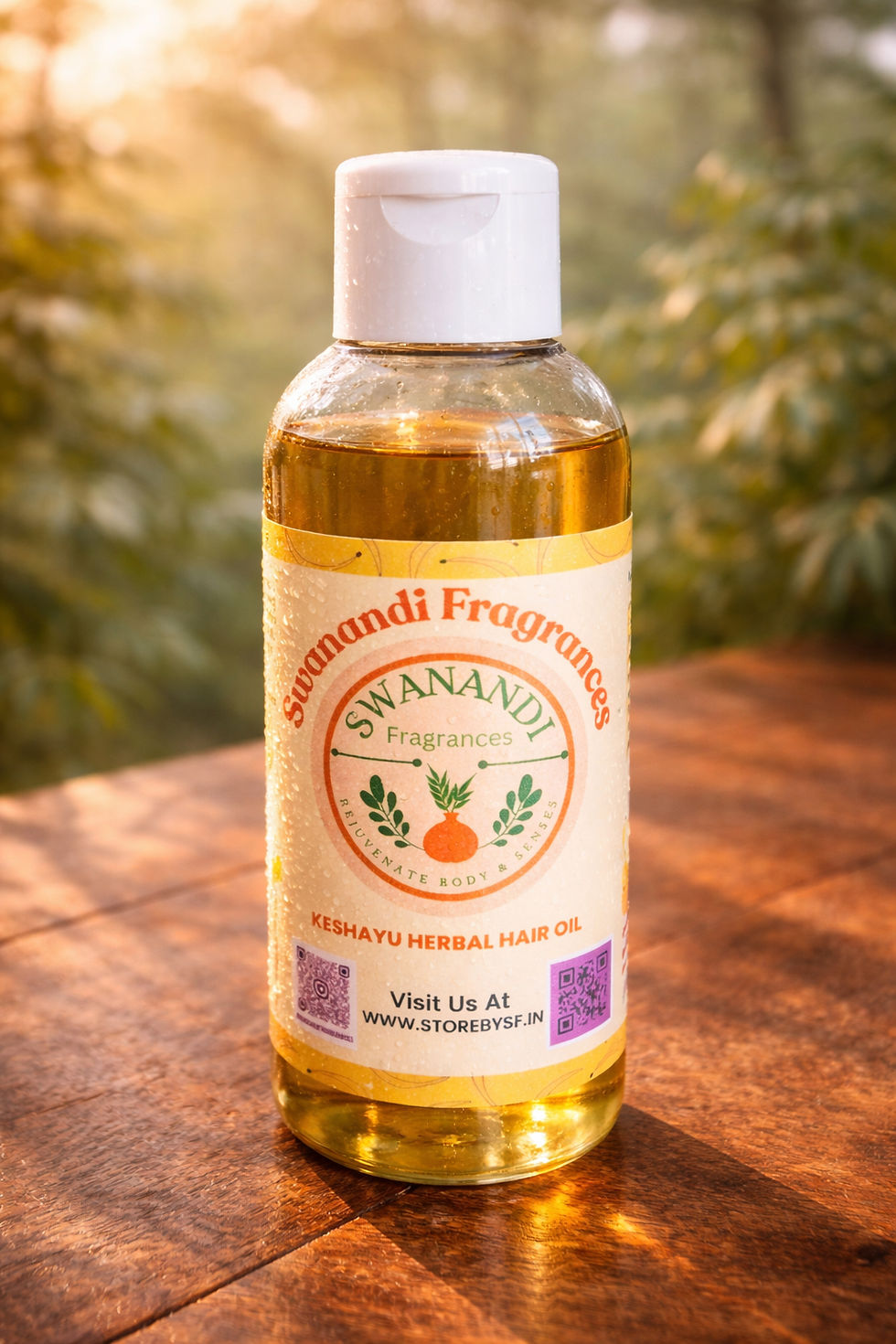
Herbal hair oils are made from natural ingredients, often infused with essential oils, extracts, and other beneficial compounds. Unlike synthetic hair products, these oils are free from harsh chemicals and additives, making them a safer choice for your hair and scalp. They are designed to nourish, protect, and enhance the overall health of your hair.
Key Ingredients in Herbal Hair Oils
Coconut Oil: Known for its deep conditioning properties, coconut oil penetrates the hair shaft, providing moisture and reducing protein loss.
Argan Oil: Rich in antioxidants and fatty acids, argan oil helps to hydrate and soften hair while adding a natural shine.
Jojoba Oil: Similar to the natural oils produced by our scalp, jojoba oil helps to balance oil production and moisturize without leaving a greasy residue.
Amla Oil: Derived from the Indian gooseberry, amla oil is packed with vitamin C and antioxidants, promoting hair growth and preventing premature graying.
Rosemary Oil: Known for its stimulating properties, rosemary oil can improve circulation to the scalp, promoting healthy hair growth.
Benefits of Using Herbal Hair Oils
1. Promotes Natural Shine
One of the most sought-after benefits of herbal hair oils is their ability to enhance natural shine. The nourishing properties of these oils help to smooth the hair cuticle, reflecting light and giving your hair a glossy appearance. Regular use can transform dull, lifeless hair into vibrant, shiny locks.
2. Strengthens Hair
Herbal hair oils are rich in nutrients that strengthen hair from the roots to the tips. Ingredients like coconut and argan oil contain essential fatty acids that help to fortify the hair shaft, reducing breakage and split ends. This strength is crucial for maintaining healthy hair, especially for those with long or chemically treated hair.
3. Reduces Scalp Issues
Many herbal hair oils possess anti-inflammatory and antimicrobial properties that can help alleviate common scalp issues such as dandruff, itchiness, and dryness. Oils like tea tree and neem are particularly effective in combating dandruff and promoting a healthy scalp environment.
4. Encourages Hair Growth
Certain herbal oils, such as rosemary and amla, are known to stimulate hair follicles and promote hair growth. By improving blood circulation to the scalp, these oils can encourage new hair growth and prevent hair loss. Regular scalp massages with herbal oils can further enhance this effect.
5. Provides Deep Conditioning
Herbal hair oils offer deep conditioning benefits that can transform dry, damaged hair. They penetrate the hair shaft, providing moisture and nourishment that helps to restore elasticity and softness. This is especially beneficial for those with curly or textured hair, which often requires extra hydration.
How to Use Herbal Hair Oils
Pre-Wash Treatment
For a deep conditioning treatment, apply herbal hair oil to your scalp and hair before washing. Massage the oil into your scalp for about 10-15 minutes, allowing it to penetrate the hair follicles. Leave it on for at least 30 minutes or overnight for maximum benefits, then wash it out with a gentle shampoo.
Post-Wash Shine Booster
After washing your hair, you can use a small amount of herbal oil as a leave-in treatment. Apply a few drops to the ends of your hair to lock in moisture and add shine without weighing it down.
Scalp Massage
Incorporating a scalp massage into your routine can enhance the benefits of herbal hair oils. Use your fingertips to gently massage the oil into your scalp, promoting circulation and relaxation. This can be done daily or a few times a week.
Choosing the Right Herbal Hair Oil
With so many options available, selecting the right herbal hair oil can be overwhelming. Here are some tips to help you make the best choice for your hair type and needs:
Identify Your Hair Type: Consider whether your hair is oily, dry, or normal. For oily hair, lighter oils like jojoba or grapeseed may be more suitable, while dry hair may benefit from heavier oils like coconut or olive oil.
Look for Quality Ingredients: Choose oils that are cold-pressed and free from additives or synthetic fragrances. Organic options are often the best choice for purity.
Consider Your Scalp Condition: If you have a specific scalp issue, such as dandruff or sensitivity, look for oils with targeted properties, like tea tree oil for dandruff or chamomile for soothing irritation.
Read Reviews: Research and read reviews from other users to gauge the effectiveness of the oil you are considering. Personal experiences can provide valuable insights.
Conclusion
Herbal hair oils are a powerful ally in the quest for healthy, shiny hair. With their natural ingredients and numerous benefits, they offer a safe and effective alternative to chemical-laden products. By incorporating herbal hair oils into your hair care routine, you can enjoy the advantages of enhanced shine, strength, and overall hair health.
As you explore the world of herbal hair oils, remember to choose products that suit your hair type and needs. With consistent use, you can achieve the beautiful, radiant hair you desire. So why not give herbal hair oils a try? Your hair will thank you!


Comments